Themes, Voice, and Legacy
"The misfit is one of my themes that probably reaches the kids the most. We are all to some degree misfits."
LA TIMES, 1990
What His Stories Carry
Under the humor ran real weight: persevering against the odds, refusing to let taunts win, the dignity of misfits, kindness as a form of courage, and a deep love of animals and the natural world. “The misfit is one of my themes that probably reaches the kids the most,” he said. “We are all to some degree misfits.” The roads, barns, fields, and creeks of his Indiana boyhood ran through his backgrounds, and the cruelty and beauty of nature he had felt as a boy gave books like The Wump World their quiet moral force.
How the Animators Remembered Him
Animators revered him. Frank Thomas called his Song of the South sketches “a magnificent piece of story work”; Ollie Johnston said “nobody could touch Bill Peet”; historian John Canemaker named him “Walt Disney’s greatest story man.” Storyboard artist Mark Kennedy went further still, calling him “the greatest Disney storyboard artist ever… nobody ever did (or will) touch what Bill could do.”
The Crowning Honor and the Long Reach
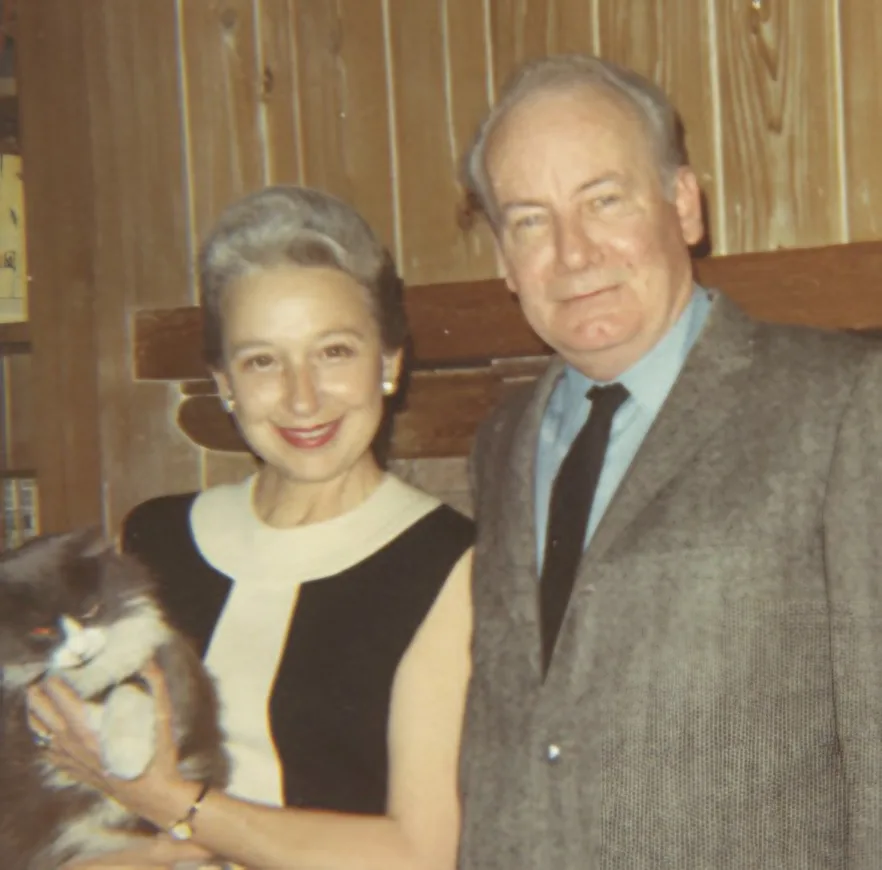
The crowning honor came in 1990, when Bill Peet: An Autobiography, written partly to set the Disney record straight, won a Caldecott Honor. In 1996 he was named a Disney Legend. He died on May 11, 2002, at the age of 87; Margaret followed the same year. Decades on, his influence persists. Disney’s 2016 Jungle Book team mined his rejected 1960s ideas from the archives, and his books, nearly all still in print, keep doing the thing he cared about most: making children want to read.
"If you are trying to get kids to read, a book should be entertaining. If it isn't fun, it becomes a chore."
LA TIMES, 1990